Solar Panels in Quetta: A 2026 Off-Grid and Savings Guide
Installing solar panels in Quetta is no longer a luxury reserved for a handful of households — it is fast becoming the smartest way to beat rising electricity tariffs and unreliable grid supply across Balochistan. Quetta’s high altitude, long sunny days, and cool ambient temperatures actually create near-ideal conditions for photovoltaic generation. In this 2026 guide, we explain how to size a system, what it costs, and why winter output surprises most first-time buyers.
Whether you want to shave your monthly bill or go fully off-grid in a rural union council, the right design makes all the difference. Let us walk through the practical decisions that matter.
Why Solar Panels in Quetta Make Financial Sense
Quetta sits at roughly 1,680 metres above sea level. Cooler air keeps panel temperatures lower, and because photovoltaic modules lose efficiency as they heat up, Quetta’s climate is a quiet advantage. The city also receives strong, clear irradiance for most of the year.
Pakistan’s solar potential is officially recognised. According to the Alternative Energy Development Board (AEDB), most of the country enjoys 5–7 kWh of solar energy per square metre per day — among the highest globally. Balochistan ranks at the top of that range.
For homeowners comparing providers, working with experienced solar panels in Quetta installers ensures your array is tilted and oriented for this specific latitude, not a generic default.
The payback picture in 2026
With grid tariffs climbing, a well-designed rooftop system typically pays for itself within four to six years, then delivers free power for another two decades. The economics only improve each time national tariffs are revised upward.
- Lower cooling losses thanks to Quetta’s climate
- Strong year-round irradiance, including crisp winter mornings
- Protection from load-shedding in outlying areas
- Rising resale value for solar-equipped homes
On-Grid, Off-Grid, or Hybrid: Which System Fits?
Your first big decision is system type. Each suits a different lifestyle and budget, so match the choice to how and where you live.
| System Type | Best For | Battery Needed? | Relative Cost |
|---|---|---|---|
| On-grid | Urban homes with stable grid + net metering | No | Lowest |
| Hybrid | Homes wanting backup during outages | Yes | Medium |
| Off-grid | Remote villages with no grid access | Yes (larger) | Highest |
Many Quetta neighbourhoods still face long outages, so hybrid systems have become the practical middle ground. They feed the grid when possible yet keep essential loads running on battery when supply drops.
Off-grid design for rural Balochistan
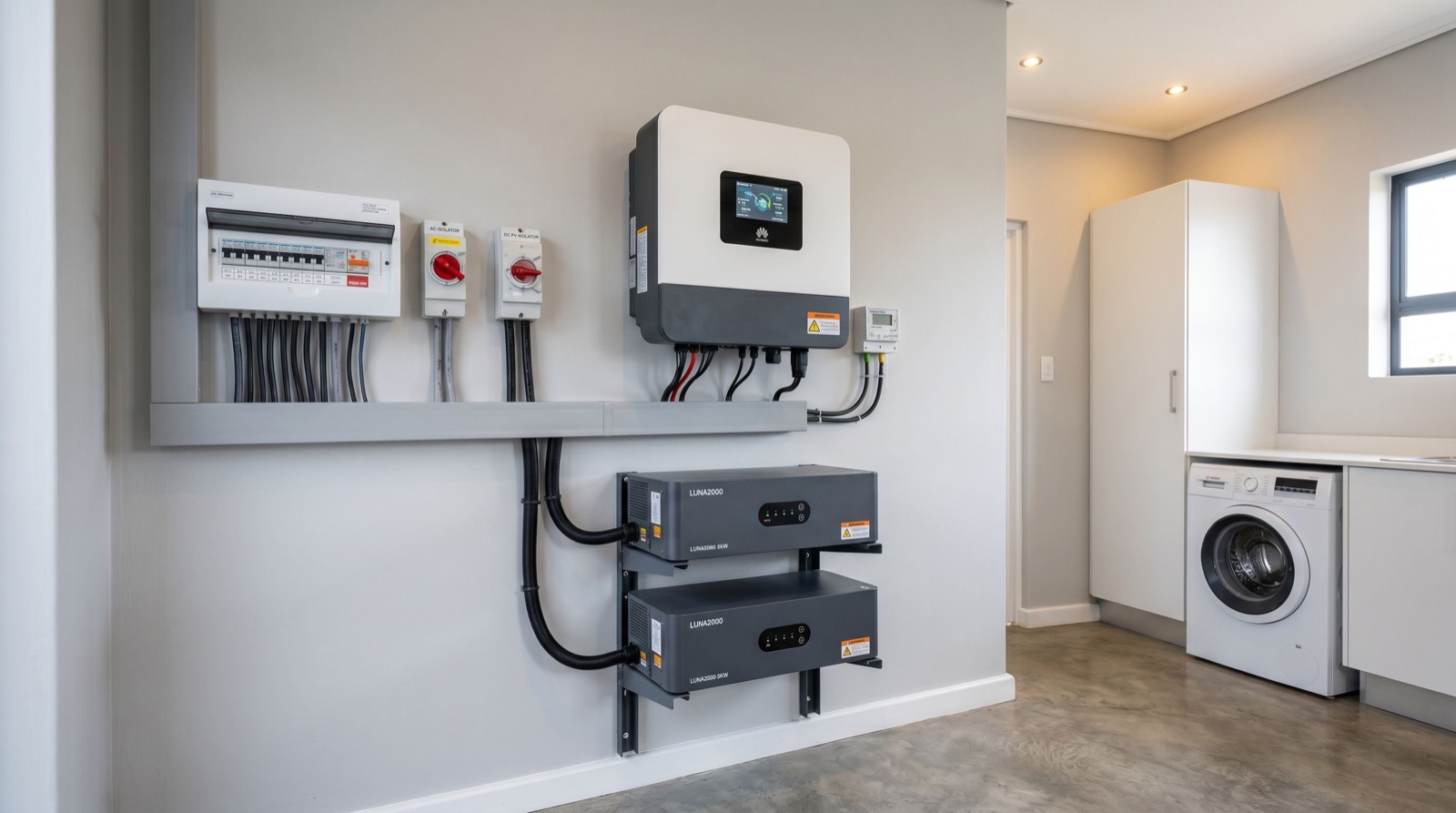
If you live beyond the grid, your array and battery bank must cover worst-case winter days. Oversize the panels slightly and choose lithium iron phosphate (LiFePO4) batteries, which tolerate Quetta’s cold nights far better than old lead-acid units.
How Does Net Metering Work in Quetta?
Net metering lets you export surplus daytime generation to the grid and draw it back at night, effectively using the grid as a free battery. The national framework is regulated by NEPRA, and your distribution company (QESCO) processes the connection.
The process is straightforward with a competent installer:
- Install an inverter rated for net metering compliance.
- Apply through QESCO with your installer’s documentation.
- Receive a bi-directional meter.
- Begin offsetting bills against exported units.
Good installers handle the paperwork for you. The same teams that deliver quality solar installation in Gujranwala apply the identical rigorous standards in Quetta — consistent engineering regardless of city.
Sizing Your System Correctly
Oversizing wastes money; undersizing leaves you short on winter afternoons. Start from your actual consumption. Pull twelve months of bills and note your peak month.
A typical mid-size Quetta home using 600–800 units monthly needs roughly a 5 kW system. Larger homes with air conditioning may push toward 8–10 kW. Match the inverter to the panel array and allow headroom for future additions such as an electric vehicle charger.
- Small home: 3 kW, around 6–7 panels
- Mid-size home: 5 kW, around 10–11 panels
- Large home: 10 kW, around 20–22 panels
Quality components matter in a harsh climate
Quetta’s dust, frost, and temperature swings are demanding. Insist on Tier-1 monocrystalline panels, a reputable hybrid inverter, and proper mounting that resists strong valley winds. Cutting corners here shortens system life dramatically.
When vetting companies, look for dependable specialists with verifiable local installations and solid after-sales support, not just the cheapest quote.
Maintenance Tips for Quetta’s Conditions
Solar is low-maintenance, but Quetta’s dry, dusty air means panels accumulate grime faster than in humid regions. A light rinse every few weeks preserves output.
- Clean panels early morning or evening, never on hot glass.
- Check mounting bolts after seasonal windstorms.
- Monitor inverter readings for sudden drops.
- Schedule an annual professional inspection.
Battery Backup and Winter Autonomy
In a city where outages can stretch for hours, battery sizing deserves real thought. Your battery bank must carry essential loads through the longest expected gap in supply, which in Quetta often means evening and early-morning hours when solar production is zero.
Start by listing the loads you cannot live without — lights, fans, a refrigerator, a router, and phone charging. Size the battery to cover those for your worst-case outage, then add a modest margin for cloudy winter days when generation dips.
- Essential-only backup: lights, fans, and communications for several hours
- Comfort backup: adds a refrigerator and selected sockets
- Whole-home autonomy: a larger bank for off-grid independence
Because LiFePO4 chemistry handles deep cycling and cold nights so well, it has become the default choice for serious Quetta installations despite the higher upfront price. Over a decade of use, its longer life usually wins on cost per cycle.
Incentives and Rising Tariffs in 2026
Two forces strengthen the solar case every year: falling equipment prices and climbing grid tariffs. Each tariff revision shortens your payback period, effectively rewarding early adopters. Net metering credits add further value by banking your summer surplus against winter consumption.
Pakistan continues to encourage distributed solar through net-metering policy, and banks increasingly offer financing for residential systems. If upfront capital is a barrier, ask your installer about instalment options so you can start saving immediately rather than waiting.
The practical takeaway is simple. Delaying rarely pays, because every month on the grid is a month of bills you could have avoided. A system commissioned this season starts earning its keep from the very first sunny day.
Frequently Asked Questions
Do solar panels work in Quetta’s cold winters?
Yes. Cold actually improves panel efficiency; the limiting factor is shorter daylight hours, not temperature. A properly sized array with battery backup handles winter demand comfortably.
How much do solar panels in Quetta cost in 2026?
A quality 5 kW on-grid system generally falls in the mid-range bracket, with hybrid systems costing more due to batteries. Prices have fallen steadily as module costs decline, so 2026 is a strong year to buy.
Is net metering available in Quetta?
Yes. QESCO customers can apply for net metering under NEPRA’s national framework. Your installer typically manages the application and inspection on your behalf.
How long do solar panels last?
Tier-1 panels carry performance warranties of 25 years or more. Inverters usually need replacement after 8–12 years, which is normal and budgeted into lifetime savings.
Conclusion
Choosing solar panels in Quetta is one of the clearest wins available to Balochistan households in 2026 — the climate rewards you, the economics stack up, and net metering turns your roof into an income source. Size the system around your real usage, demand quality components, and partner with an installer who stands behind their work. Ready to cut your bills? Request a free site survey and custom quote today, and start generating your own clean power this season.